

GLAUCOMA TREATMENTS




At Balaji ENT and Eye Hospital in Kalyan, our mission is to enable early detection and intervention in glaucoma. We screen every OPD patient to detect early signs and high-risk individuals for detailed workups. What causes glaucoma? It is often due to elevated eye pressure damaging the optic nerve, influenced by factors like age, family history and systemic issues.
Is glaucoma hereditary? Yes, siblings and children of glaucoma patients face 15-20 times higher risk, so we recommend annual family screenings. Our glaucoma treatments in kalyan include thorough slit lamp exams, tonometry, gonioscopy, optic disc evaluation with 90D/78D lenses, advanced perimetry and Zeiss OCT from Germany for objective, quantitative optic nerve analysis. This baseline helps track progression. Comprehensive history taking and counseling cover disease nature, lifelong follow-up needs and managing pre-existing conditions like hypertension and diabetes. Glaucoma medication plays a central role in glaucoma treatments, mainly through glaucoma treatment eye drops used to reduce intraocular pressure. At our Kalyan hospital, we prescribe tailored drops, occasionally oral tablets or rare injections, alongside controlling systemic factors like hypertension and diabetes.
Is glaucoma curable? While not always permanently reversible, early treatment halts further damage effectively. How to cure glaucoma permanently? No single cure exists, but long term medical therapy achieves control for most. Patients often share stories like How I cured my glaucoma through regular administration of prescribed drops and lifestyle changes, preventing vision loss. Our counseling focuses on lifelong compliance, as untreated glaucoma leads to irreversible damage. We monitor via repeat OCT and perimetry for progression analysis. For ideal results, combine medications with regular check-ups. This approach ensures stable intraocular pressure, preserving sight without surgery in many cases.
Can glaucoma be cured by laser treatment? Laser procedures provide effective, non-invasive solutions for glaucoma treatment in Kalyan. We perform YAG Peripheral Iridotomy (YAG PI) as per World Glaucoma Consensus for occludable angles and narrow-angle disease, a simple OPD procedure with no hospitalization. Selective Laser Trabeculoplasty (SLT) is recommended for patients who do not respond adequately to eye drops. At Balaji ENT and Eye Hospital, these quick and painless procedures complement medication therapy to provide comprehensive patient care. Post-laser, patients resume normal activities swiftly, with minimal discomfort. We counsel on combining lasers with eye drops for sustained results, especially for hereditary cases requiring family screening awareness. For advanced cases uncontrolled by maximum treatment or lasers, glaucoma surgery becomes essential. Trabeculectomy (glaucoma surgery trabeculectomy), a gold-standard procedure creating a new drainage pathway. Glaucoma surgery name often refers to this or minimally invasive options like tube shunts. Glaucoma surgery cost? Affordable at our facility, starting competitively with transparent pricing.
What is the success rate of glaucoma surgery? Around 70-90% for pressure control, varying by patient factors. Glaucoma surgery recovery, typically spans 1-4 weeks, with instructions for eye protection and drops. Is glaucoma surgery dangerous? Risks are low with experienced surgeons; glaucoma surgery side effects may include temporary redness, infection or bleeding, minimized through expertise.
Glaucoma is aptly called the ‘Silent Thief of Sight’ because most of the times, when the person realizes any symptoms,the disease is advanced. moreover the visual loss is permanent and irreversible.
Our goal is to “Act before Glaucoma strikes”. Our strategy is to screen each and every patient in the OPD for this Silent thief of sight – Glaucoma and identify the Glaucoma suspects. We then proceed for the detailed Glaucoma work- up of these high risks – Glaucoma suspects.
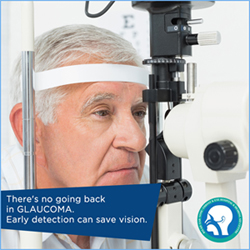
- Thorough slit lamp examination under high magnification..
- Non-contact Tonometry and Applanation Tonometry.
- Gonioscopy-To measure and document the crucial findings of the angle structures in the eye.
- Optic Disc Head Evaluation-We at Balaji ENT and EYE hospital, use the high magnification stereoscopic disc evaluation using 90D and 78D lenses.
- Perimetry- It is a subjective test to evaluate and quantify and document the extent of vision loss. In this test, each eye is separately shown about 250 points of light at varying intensity and the patient has to press the buzzer whenever he/she perceives the light. At the end, we get a printed report that describes:
- Which points were not seen?
- Which points were seen?
- What was the intensity of light at which the points were seen?
This data is then compared with that from normal age and sex matched population. This also acts as the baseline test to compare against the future tests. We, at Balaji ENT and EYE hospital are equipped with the MEDMONT Perimeter (Australia) which is a very patient friendly interactive system.
- OCT- We,at Balaji ENT and EYE hospital use the Optical Coherence Tomography (OCT) from Zeiss Germany to evaluate the details of the optic nerve head. This high end scanning system gives us excellent scans of the optic nerve head in a few seconds.
OCT is important because of:
- Objective
- Quantitative documentation of baseline
- Helps in progression analysis of Glaucoma
- Thorough history and comprehensive eye and systemic valuation is followed by detailed counseling of the patient and the family about:-
- Nature of disease
- Treatment modality
- Need for life long follow up
- Management of co-morbidities like HTN, DM
Treatment options include:- Control of systemic factors like Hypertension,Diabetes.
Medications:- mostly eye drops, sometimes oral tablets and rarely injections.
Lasers (YAG Peripheral Iridotomy)
Yag PI is recommended by World Glaucoma Consensus for prophylaxis in eyes with occludable angles and established narrow angle disease.
It is a simple OPD procedure, non- invasive, no hospitalization. SLT-Selective Laser Trabeculoplasty is an option in some patients.
-
Surgery
- Which points were not seen?
- Which points were seen?
- What was the intensity of light at which the points were seen?
For patients who are not adequately controlled on maximum possible medications we have options of :